Fatty Liver to Fit Liver: Your 7-Day Journey with 121 Dietitian
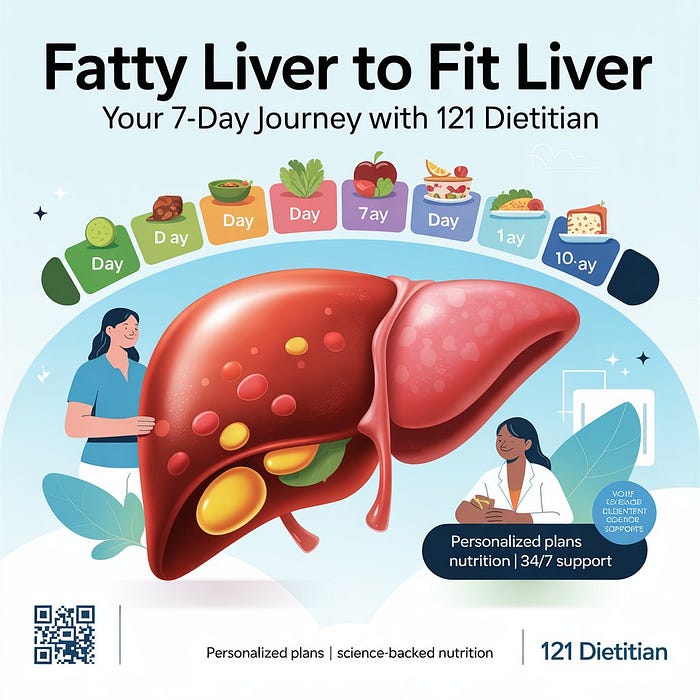
Fatty liver disease is a growing health concern, primarily categorised into two types: non-alcoholic fatty liver disease (NAFLD) and alcoholic fatty liver disease (AFLD). NAFLD is linked to metabolic factors such as obesity and insulin resistance, while AFLD results from excessive alcohol consumption. Both conditions involve the accumulation of fat in liver cells, which, if left unmanaged, can progress to more severe liver damage, including cirrhosis. The good news is that diet and lifestyle modifications play a pivotal role in reversing fatty liver and restoring liver function. A structured 7-day plan can serve as an effective kickstart, helping to eliminate harmful dietary habits, reduce inflammation, and promote detoxification. Working with a 121 Dietitian ensures personalised guidance tailored to individual needs, optimising the chances of long-term success.
Day 1: Understanding Fatty Liver & Setting Goals
Fatty liver develops due to several key factors, including excessive sugar intake (particularly fructose), processed foods high in unhealthy fats, alcohol consumption, and a sedentary lifestyle. These contribute to fat deposition in the liver, impairing its ability to function efficiently. If untreated, fatty liver can lead to serious complications such as liver fibrosis, type 2 diabetes, and cardiovascular disease. Early symptoms may include fatigue, abdominal discomfort, and mild liver enzyme elevation, though many cases remain asymptomatic until later stages.
A crucial first step in managing fatty liver is hydration, as water aids in flushing out toxins and supports metabolic processes. Reducing exposure to dietary toxins — such as artificial additives, alcohol, and high-fructose corn syrup — is equally important. During Fatty Liver Week, expert dietitians from 121 Dietitian will explain why taking care of your liver is so important. The goal of this awareness campaign is to educate you about how fatty liver disease develops silently and, if left untreated, can lead to serious complications like liver inflammation, cirrhosis (scarring), and even liver failure.
121 Dietitian will not only help you recognise early warning signs of fatty liver disease — such as fatigue, mild discomfort on the right side of the abdomen, or general unease — but will also provide personalised guidance to improve your diet, lifestyle, and physical activity.
The purpose of this week is not just to share information but to prepare you for action, so you can keep your liver healthy. With 121 Dietitians, you won’t have to follow a restrictive diet or feel confused — we’ll be with you every step of the way to support your health journey.
Day 1 Action Plan:
Eliminate sugary drinks & alcohol: Replace fizzy drinks, fruit juices, and alcohol with water, herbal teas, or infused water (e.g., lemon, cucumber, or mint).
Start a food journal: Track meals, snacks, and beverages to identify patterns and areas for improvement.
Hydration goal: Aim for 2–3 litres of water daily to support liver detoxification and overall metabolic health.
Day 2: Detoxifying Foods for Liver Repair
The liver plays a crucial role in detoxification, metabolism, and overall health. On Day 2, focus on incorporating liver-friendly foods that support natural detoxification and repair. Leafy greens such as kale and spinach are rich in chlorophyll, which helps neutralise toxins, while cruciferous vegetables like broccoli and Brussels sprouts contain compounds that enhance liver enzyme activity. Antioxidant-rich berries (blueberries, raspberries) combat oxidative stress, and healthy fats from avocado, nuts, and olive oil reduce inflammation and promote bile production for efficient toxin removal.
Action Plan:
Start the day with a green smoothie (spinach, avocado, apple, and chia seeds) for a nutrient-dense breakfast.
Replace refined carbohydrates (white bread, pasta) with whole grains (quinoa, brown rice) to stabilise blood sugar and reduce liver fat accumulation.
Sip on herbal teas such as dandelion (a natural diuretic) or green tea (rich in catechins) to support liver function.
Day 3: Cutting Out Liver Enemies
Certain foods burden the liver, contributing to fatty liver disease and inflammation. Added sugars and high-fructose corn syrup (found in sodas, sweets, and processed foods) are metabolised directly by the liver, leading to fat buildup. Trans fats (in fried foods, margarine, and packaged snacks) increase inflammation and insulin resistance, while excessive red and processed meats (bacon, sausages) contain saturated fats and preservatives that strain liver function.
Action Plan:
Read food labels carefully — avoid products with hidden sugars (e.g., dextrose, malt syrup) and hydrogenated oils.
Challenge yourself to a sugar-free day, opting for natural sweeteners like stevia or fresh fruit.
Swap processed snacks for healthier alternatives — almonds instead of crisps, or hummus with vegetable sticks.
Day 4: Protein & Healthy Fats for Liver Repair
Adequate protein is essential for liver regeneration, while healthy fats reduce inflammation. Lean poultry (chicken, turkey) and fatty fish (salmon, mackerel) provide high-quality protein and omega-3 fatty acids, which help lower liver fat and inflammation. Plant-based proteins (lentils, tofu, chickpeas) are excellent alternatives, offering fibre and antioxidants. Omega-3-rich flaxseeds and chia seeds further support liver health by reducing oxidative stress.
Action Plan:
Sprinkle flaxseeds or chia seeds on yoghurt or salads for an omega-3 boost.
Opt for grilling, baking, or steaming instead of frying to avoid harmful fats.
Incorporate two servings of fatty fish per week or consider an algae-based omega-3 supplement for plant-based diets.
By prioritising nutrient-dense foods and eliminating harmful substances, you can significantly enhance liver function and overall well-being. Day 5: Gut Health & Liver Connection
The health of your gut plays a crucial role in liver function, as the two are closely linked through the gut-liver axis. A balanced gut microbiome helps prevent harmful bacteria and toxins from entering the bloodstream, reducing the liver’s detoxification burden. When gut health is compromised — due to poor diet, antibiotics, or inflammation — toxins like lipopolysaccharides (LPS) can leak into the bloodstream, triggering liver inflammation and even fatty liver disease. To support this vital connection, focus on probiotic-rich foods such as yogurt, kefir, and sauerkraut, which replenish beneficial gut bacteria. Additionally, dietary fibre — found in oats, legumes, and vegetables — aids digestion, promotes regular bowel movements, and binds to toxins, facilitating their removal and easing liver workload.
Day 5 Action Plan:
✔ Incorporate fermented foods (e.g., yogurt, kimchi, kombucha) into meals.
✔ Boost fibre intake with whole grains, lentils, and leafy greens.
✔ Stay hydrated to help fibre move toxins out efficiently.
Day 6: Movement & Stress Management
Regular exercise is a powerful tool for improving liver health, particularly in reducing liver fat — a key factor in non-alcoholic fatty liver disease (NAFLD). Physical activity enhances insulin sensitivity, promotes fat metabolism, and decreases inflammation. Simple routines like brisk walking, yoga, or strength training can significantly benefit liver function without requiring intense workouts. Equally important is stress management, as chronic stress elevates cortisol levels, which drives fat storage, including in the liver. High cortisol also worsens inflammation, further impairing detoxification.
Day 6 Action Plan:
✔ Engage in 30 minutes of movement (e.g., walking, cycling, or bodyweight exercises).
✔ Practice deep breathing or meditation to lower cortisol.
✔ Swap caffeine with herbal teas (e.g., chamomile, dandelion) to reduce stress on the liver and adrenals.
Combining physical activity with stress-reducing techniques supports both metabolic and mental well-being, key pillars of a healthy liver.

Conclusion
Fatty liver disease, while a growing health concern, is reversible with the right approach. By adopting a balanced diet, engaging in regular physical activity, and making sustainable lifestyle changes, you can significantly improve liver health and overall well-being. The journey to recovery requires commitment, but the benefits — enhanced energy, reduced inflammation, and lowered risk of complications — are well worth the effort.
Encouragement for Continued Progress
Every positive step you take, no matter how small, contributes to healing your liver. Consistency is key, and gradual progress ensures long-term success. Celebrate your achievements, stay motivated, and remember that even setbacks are part of the process. With perseverance, a healthier liver — and a healthier you — is entirely achievable.
How Professional Guidance (121 Dietitian) Optimises Results
While self-directed changes can be effective, personalised support from a registered dietitian, such as those at 121 Dietitian, can accelerate and optimise your results. A tailored nutrition plan addresses your unique needs, ensuring you receive the right balance of nutrients to support liver repair. Expert guidance also helps you navigate challenges, adjust strategies as needed, and stay accountable — maximising your chances of success.
Call-to-Action: Start Today — Liver Health Is Reversible!
There’s no better time to take control of your liver health. Whether you’re in the early stages of fatty liver disease or seeking to prevent further damage, proactive steps today can lead to lasting improvements. Book a consultation with 121 Dietitian to create a bespoke plan that works for you — your liver will thank you!Fatty liver disease is often misunderstood, with several persistent myths clouding public perception. One of the most common misconceptions is that only alcoholics develop fatty liver disease. While excessive alcohol consumption is a leading cause of alcoholic fatty liver disease (AFLD), non-alcoholic fatty liver disease (NAFLD) — and it’s more severe form, non-alcoholic steatohepatitis (NASH) — can affect individuals who consume little or no alcohol. In fact, NAFLD is closely linked to metabolic factors such as obesity, insulin resistance, type 2 diabetes, and high cholesterol. Another widespread myth is that fatty liver is harmless and doesn’t progress to serious conditions.As part of Fatty Liver Week, it’s important to highlight how personalised support can make a real difference in managing and reversing fatty liver disease. 121 Dietitians has years of experience helping individuals manage fatty liver effectively, offering tailored advice and evidence-based plans designed to suit each person’s unique needs.
Whether you’re looking to:
Lose weight
Establish a liver-friendly diet
Create a personalised meal plan for fatty liver
Improve blood sugar control
Develop a sustainable weight management programme
Support your liver health alongside medication
Get guidance on liver-supportive foods, snacks, meals, and recipes
Receive recommendations on healthier food products and supplements
Increase your activity levels
Or manage conditions such as type 2 diabetes or pre-diabetes
— 121 Dietitians are here to help.
The key message during Fatty Liver Week is clear: if you’re overweight or obese, reducing daily calorie intake and becoming more physically active is essential. But we also recognise that this is often easier said than done. Fad diets and extreme fitness routines rarely offer long-term success. That’s why 121 Dietitian focuses on realistic, practical solutions — no gimmicks, just honest, expert support tailored to you.
Interestingly, while obesity is present in 50% to 90% of people diagnosed with NAFLD, the condition can also affect those with a normal body weight. So, it's worth seeking professional advice if you’re experiencing health issues or have concerns about your diet. With expert input from 121 Dietitians, you can take meaningful steps toward protecting and improving your liver health — not just during Fatty Liver Week, but for the long term.
Bonus Resources
To help you get started, we’ve included:
A 7-day sample meal plan packed with liver-friendly foods.
Delicious, easy-to-follow recipes designed to support liver health.
FAQs on fatty liver reversal, answering common concerns and providing evidence-based advice.
Take the first step toward a healthier future — your liver has an incredible capacity to heal, and with the right support, you can unlock its full potential.


Comments
Post a Comment